HEARTFELT CONNECTION
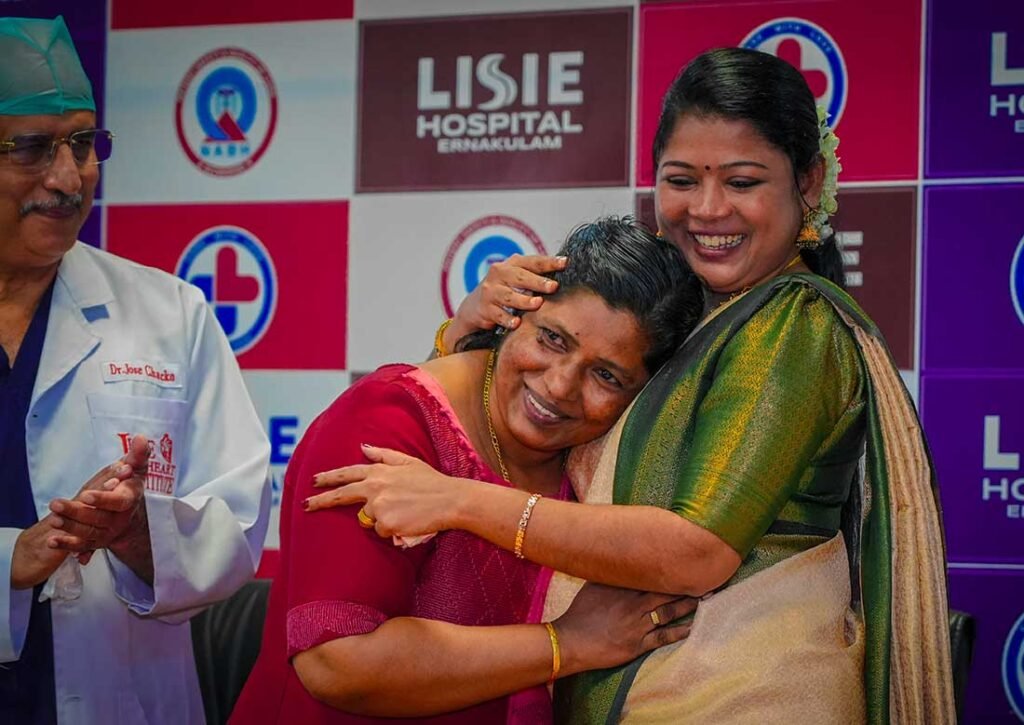
Elsamma James (L) embraces Sudhi, the recipient of her brother’s donated heart, in an emotional moment. Dr Jose Chacko Periyapuram the cardiac surgeon who performed the transplant is also seen.


Elsamma James (L) embraces Sudhi, the recipient of her brother’s donated heart, in an emotional moment. Dr Jose Chacko Periyapuram the cardiac surgeon who performed the transplant is also seen.
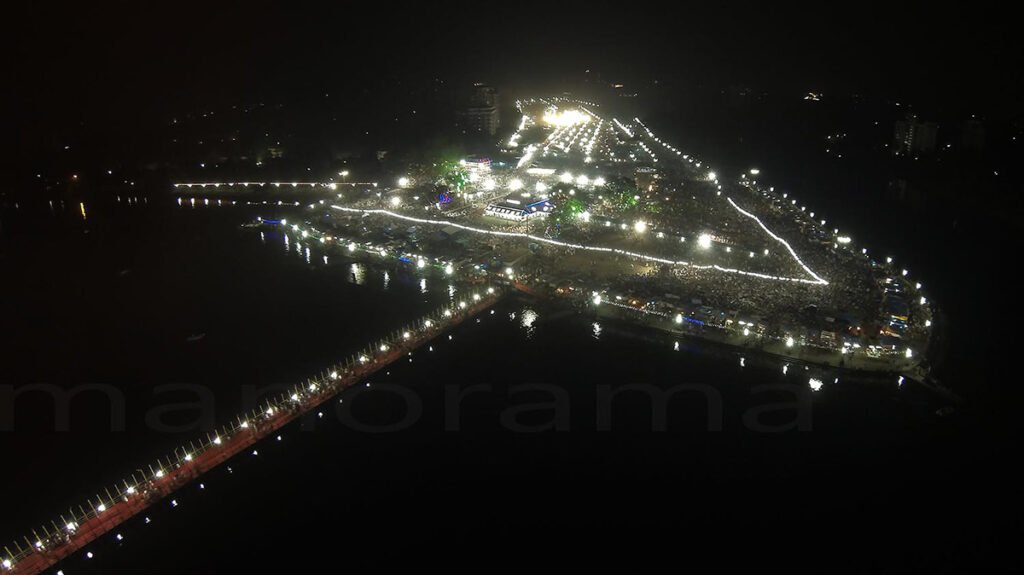
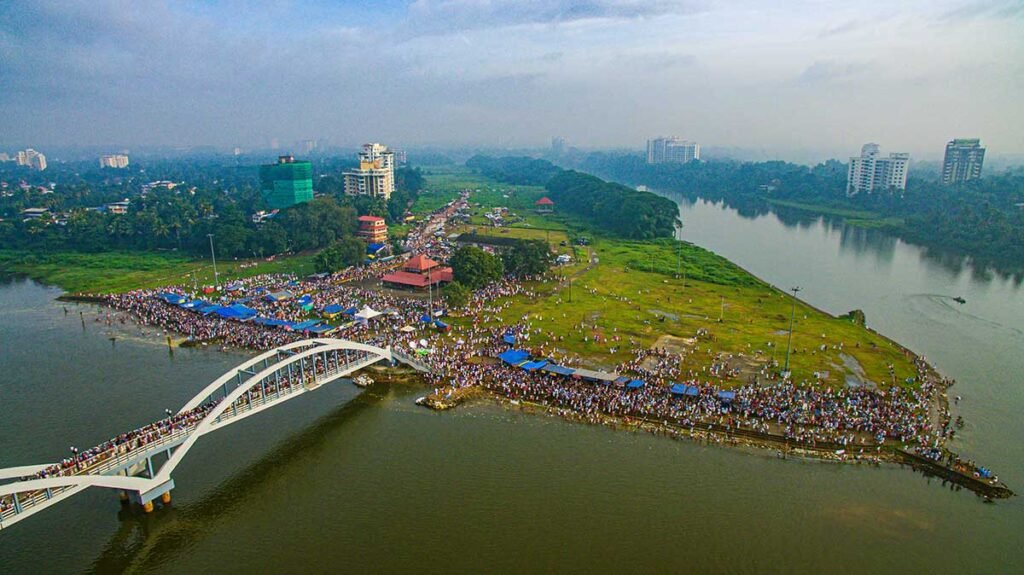
Aluva Manappuram captured during Sivaratri festival in 2015. This was when the bridge was not built connecting the town to the temple
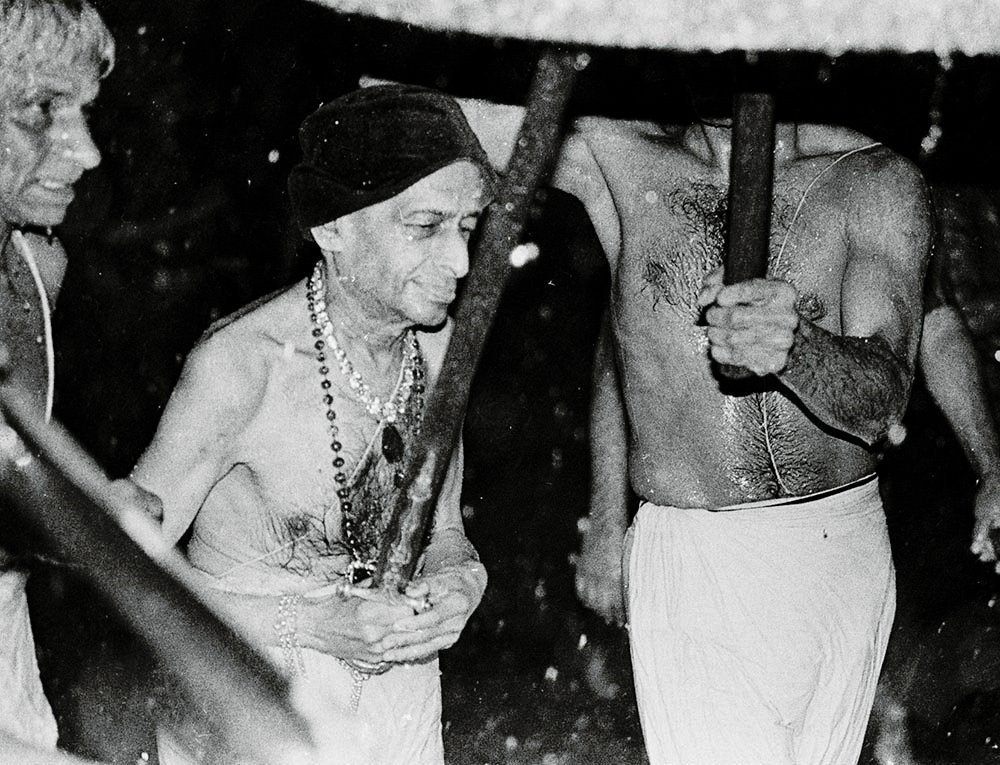
In 1990, I was given the opportunity to cover this event. Excitement coursed through my veins as I positioned myself, camera ready, waiting to frame a moment of history. The procession moved with its usual grace—majestic yet intimate, a bridge between the past and the present. But then, something unexpected happened.
Out of nowhere, the heavens opened.
A sudden downpour drenched the streets, the procession, and me. The crowd gasped, and for a fleeting second, everything stood still. The rain was not just unexpected; it felt like a sign, an omen of sorts. And in that moment, as I looked through my lens, something in the Maharaja’s demeanor struck me.
He walked on, unfazed by the rain, yet there was a solemnity in his expression, an unspoken acknowledgment of something deeper. And somehow, inexplicably, I felt that he knew this would be his last Arattu.
There was no announcement, no indication—just a feeling that settled in my chest as I clicked frame after frame, knowing these images carried something beyond the visible. That year, as the raindrops mixed with temple chants, as history soaked into the very ground we stood on, I learned something crucial about photojournalism.
We are not just observers. We are witnesses to history.
Lessons from the Lens
1-nticipate the Unseen
2-Great images are rarely planned. They happen in moments of unpredictability. Be ready. Watch not just the event, but the emotions, the unspoken words in people’s eyes.
3-Capture More Than Just the Surface
A good photograph captures a scene; a great photograph captures a story. The difference lies in what you choose to see beyond what is visible.
4-Be a Silent Participant, Not Just an Observer
Blend in. Become part of the environment without disrupting it. When people forget the camera is there, that’s when the most authentic moments emerge.
5-Trust Your Instincts
That day, something told me to keep clicking, to not just focus on the grandeur but also on the subtlety of the Maharaja’s expression. Trust the gut feeling that tells you where history is about to be made.
6-Respect the Moment
Some images are about documentation; others are about reverence. Know the difference. As photojournalists, we hold power—the power to immortalize, to honor, and to preserve legacies. Use it wisely.
That Arattu in 1990 was the last one Chithira Thirunal Balarama Varma ever attended. He passed away in 1991. And even today, when I look at those photographs, I don’t just see an event—I see the end of an era, a quiet farewell written in raindrops and royal footsteps.
.
Kakoor Kalavayil:
A Race Against Time
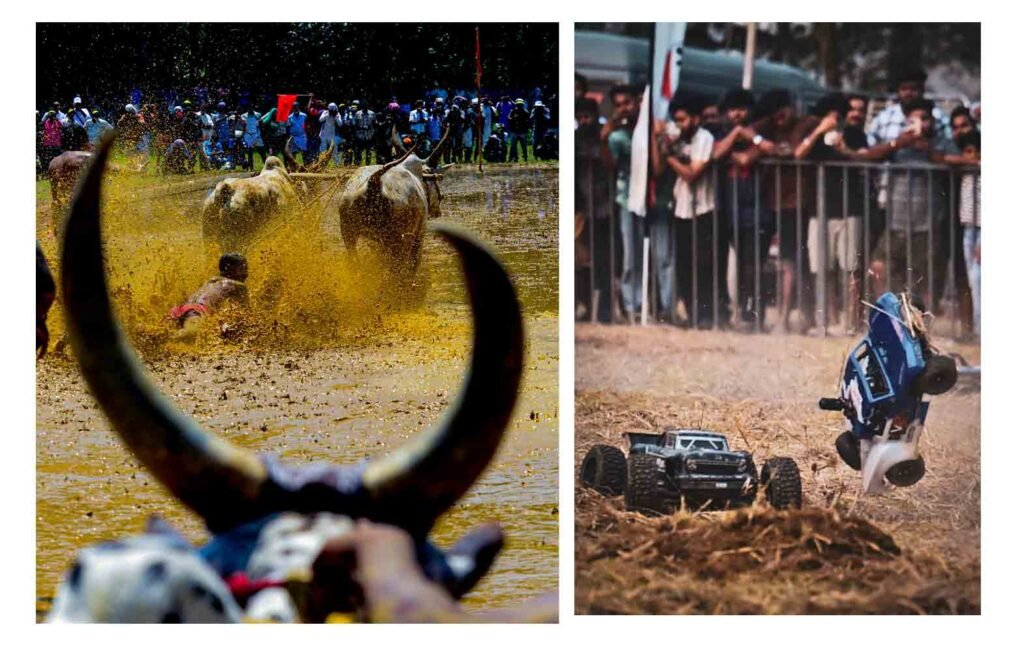
Photojournalism is more than capturing moments; it’s about preserving traditions, questioning change, and documenting the pulse of society. My recent assignment at Kakoor Kalavayil, the vibrant agricultural festival once synonymous with the cattle race, was a reminder of how time reshapes culture.
I remember the first time I photographed this event years ago. The festival ground, a vast stretch of paddy fields, would transform into a battleground where farmers and their prized bulls thundered through the slush. These weren’t just races; they were a celebration of Kerala’s agrarian spirit, an event where farmers, drenched in mud and sweat, took pride in their animals’ strength and agility. Some came from distant villages, having prepared for months, their bulls adorned with bells and garlands, their eyes glistening with excitement. The air would be thick with the scent of wet earth, the roars of the crowd, and the rhythmic splashes of hooves against waterlogged fields.
But then, the world changed. Protests emerged, questioning the ethics of these races. Animal lovers raised concerns, and soon, the law stepped in. Cattle races were banned, leaving a void in the festival that had defined generations. The fields, once alive with the power of bulls charging forward, fell silent.
This year, on March 8, I returned to Kakoor Kalavayil with my camera, expecting a familiar sense of nostalgia. What I saw instead was a different kind of race—one fueled not by muscle but by technology. RC (remote-controlled) cars zipped across the very fields where bulls once sprinted. Kids and enthusiasts cheered as these machines skidded through the mud, their tires throwing up the same splashes that hooves once did. It was thrilling, a spectacle of modernity, and yet, a pang of sadness settled in my chest.
Was this progress? Had we truly preserved the spirit of the festival, or had we replaced a piece of our heritage with something less organic, less connected to the land? The cattle race had its flaws, no doubt. But for the farmers, it was never just a race—it was a tradition, a showcase of their bond with the land and the animals they raised with devotion. Now, those same fields bore witness to machines instead of life.
As I stood there, camera in hand, I realized photojournalism isn’t just about freezing moments in time—it’s about asking questions. How do we balance tradition and ethics? Can modernity truly replace the raw, earthy essence of our past? Where do we go from here?
I don’t have the answers, but my photographs from that day tell a story—a story of change, loss, and adaptation. Perhaps, like Kakoor Kalavayil itself, we must continue to evolve while ensuring we don’t erase the past entirely. Because in the end, festivals are not just about what happens in the fields; they are about the emotions they stir within us.